Hunting Vintage in Armenia

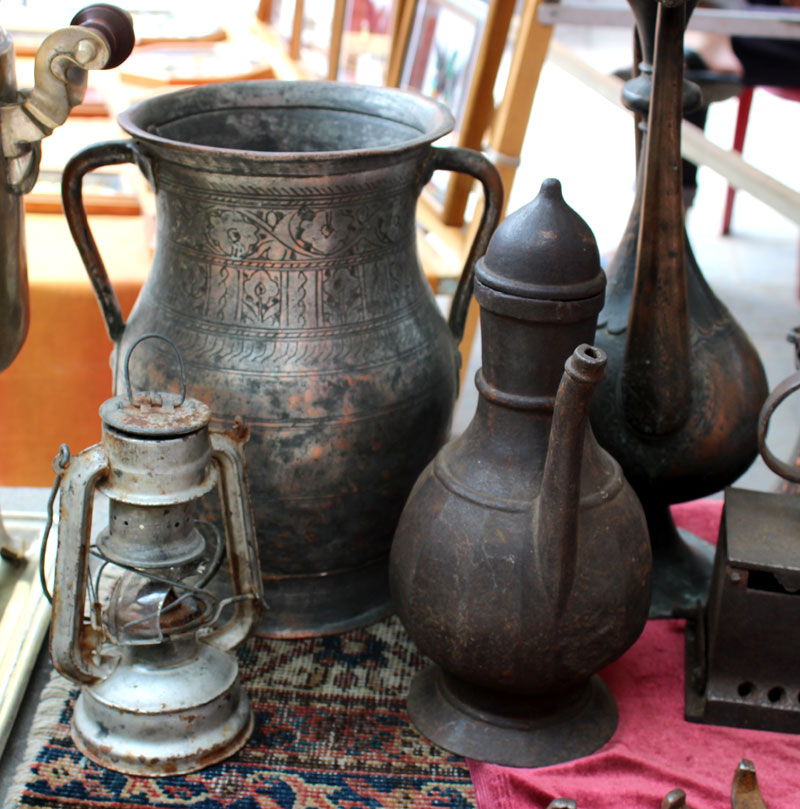
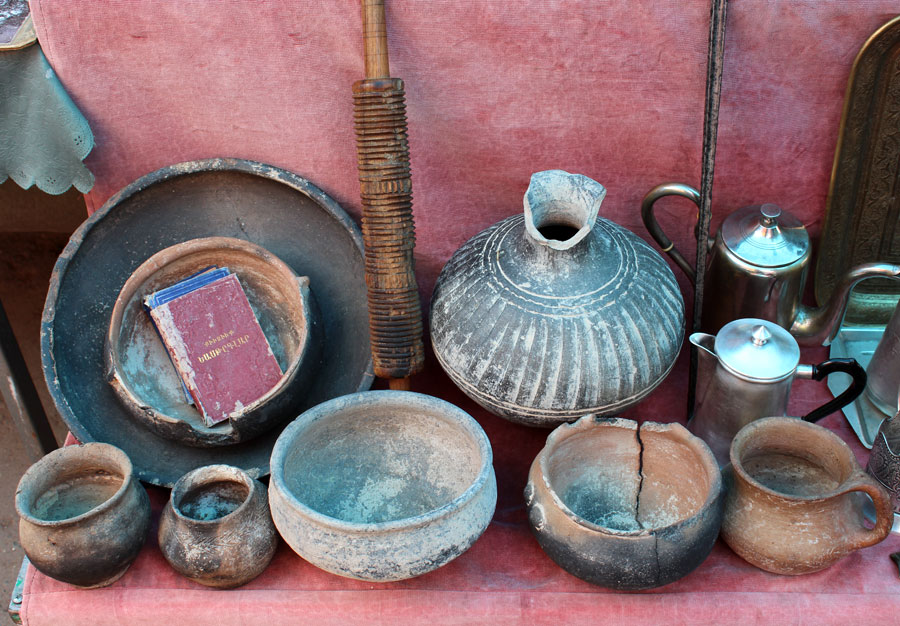
When we were moving to Armenia we were told so many wonderful things about arts and crafts existing in this region. Especially it refers to jewellery, handmade pottery, woodcarving and carpet-weaving. Naturally I wanted to find something unique and rare for our boutique and for our home. The first step was a flea-market called Vernisage, which is located not far from the Square of Republic in Yerevan. We found there some amazing antique items we fell in love with:
Well, if these items are sold on the central souvenir market in Yerevan, we were sure that moving deeper into the country and visiting some remote villages in the mountains we will be able to find objects even more rare and unique. Another thing we really wanted to get is antique Armenian carpet. Karabakh was one of the most famous carpet-producing regions in Caucasus and now it is located on the territory of Armenia. Rugs made there before Soviet Union times ( I would say older than 150 years old) cost now tens of thousands of dollars and to find one is like to find a real treasure.
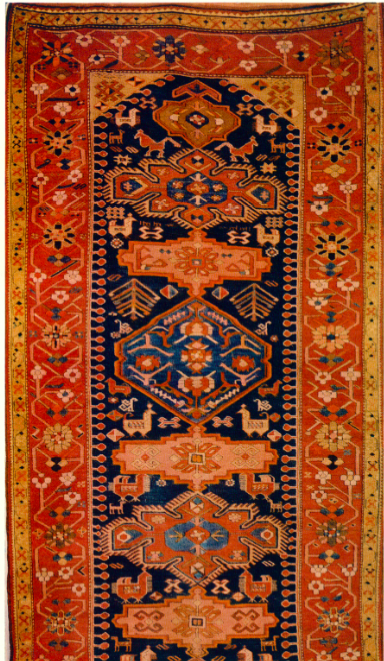
Knowing very little about situation in the country right now we were not sure where to start our searches. A friend of ours is from Lori province and he suggested to test waters there and then to go to another regions as well.
We started our journey early morning and it was absolutely divine autumn day. Driving through the villages located in the middle of the valleys all surrounded by mountains we actually forgot that we are living in the 21 century, it was as if we moved on the time travel machine at least 100 years ago (especially if you don’t pay attention to seldom cars and power lines):
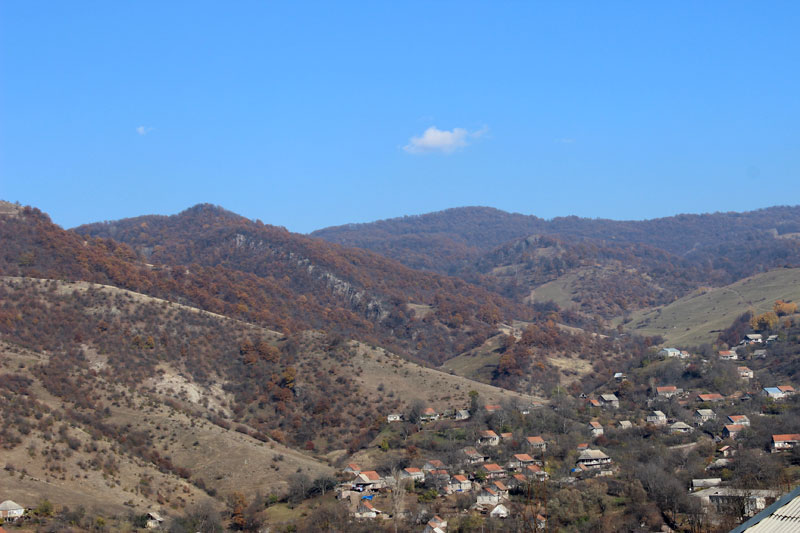
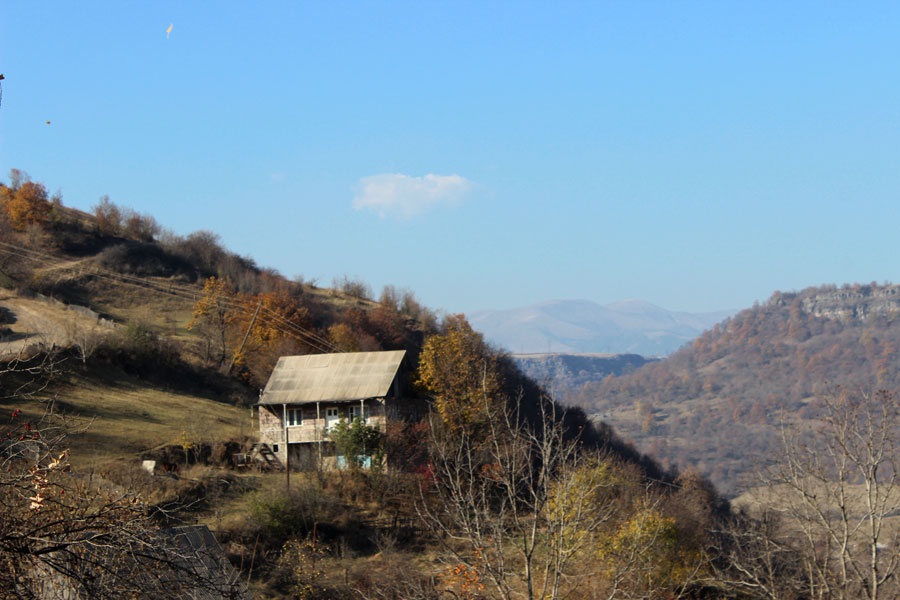
When we entered inside the village we basically stopped next to every house and asked the owners if they have and wish to sell any vintage or antique items, such as old rugs and kilims, furniture or ceramics. No success so far.
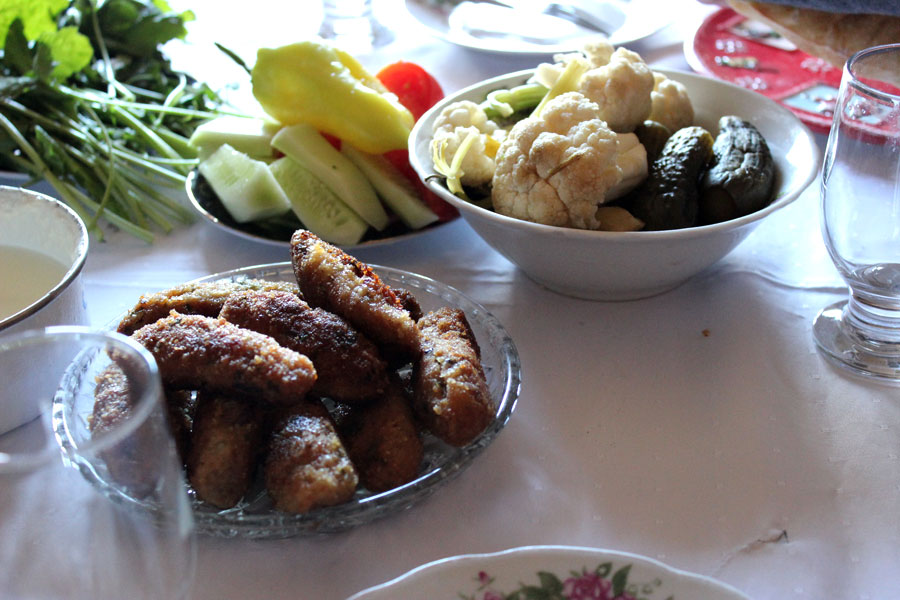
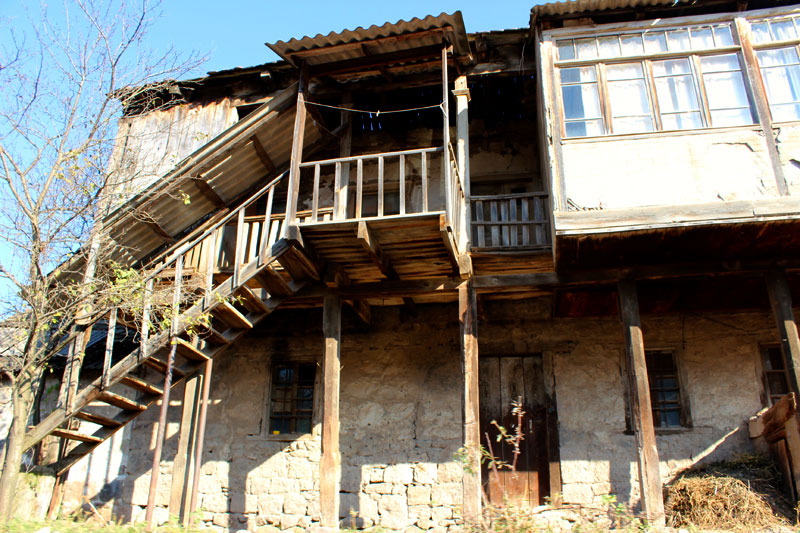 Our friend has relatives in one of the villages and we were invited to have lunch with them. Here I just must say a couple of words about outstanding Caucasian hospitality which has already become a legend. When you are invited to anybody’s house (and this doesn’t even have to be your friend or good acquaintance) you can be sure that you will eat the most delicious food and drink the most exquisite home-made wine. Most likely that after dinner you will feel yourself as if you have swollen a soccer ball. In the countryside the food is usually less sophisticated, but at the same time more natural and that’s why more tasty as well.
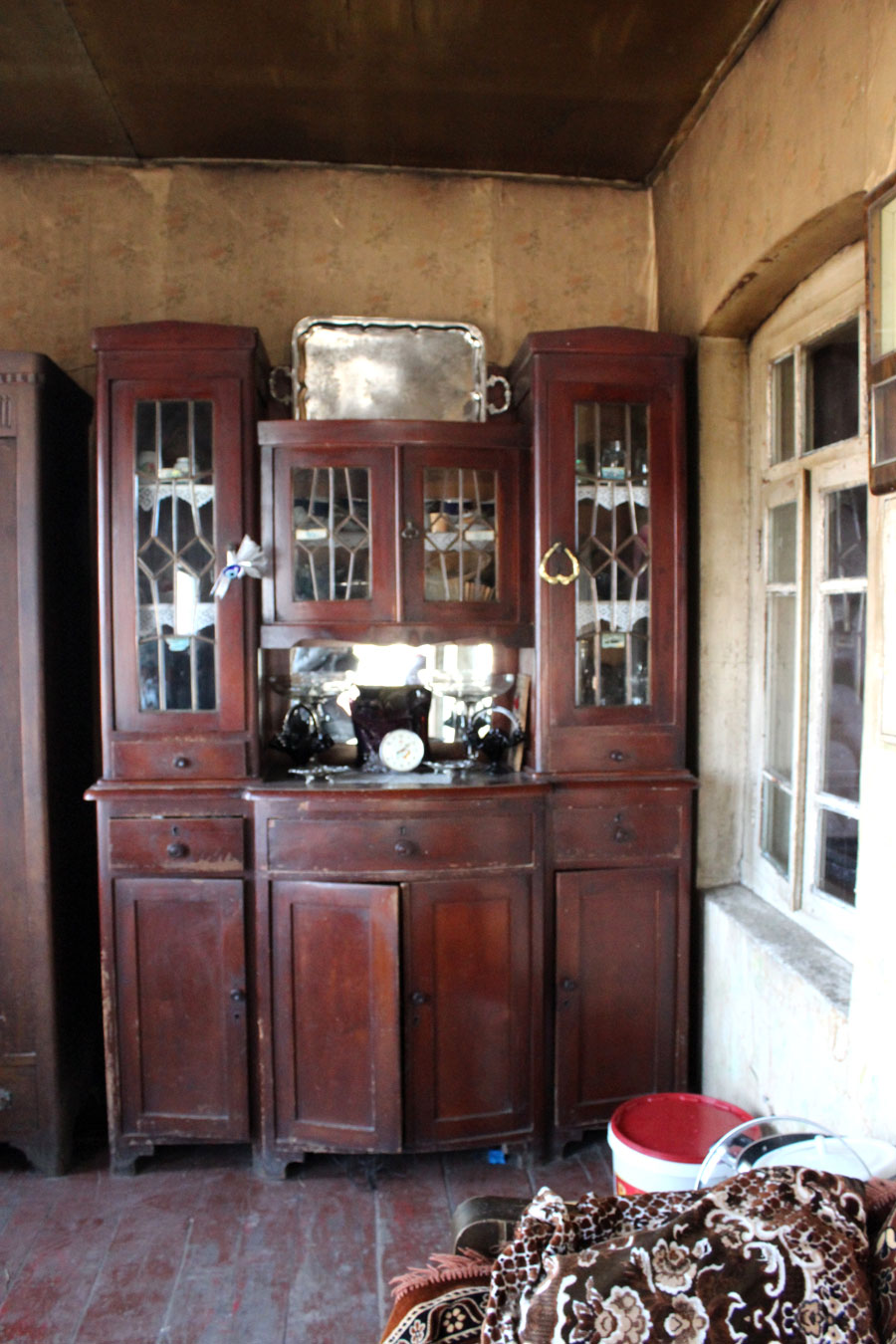
By the way, the mistress of the house had this amazing 19th century sideboard, which she said she is no way going to sell as it was inherited from her grandmother. To be honest we were not really interested, as it was definitely too large item for us.
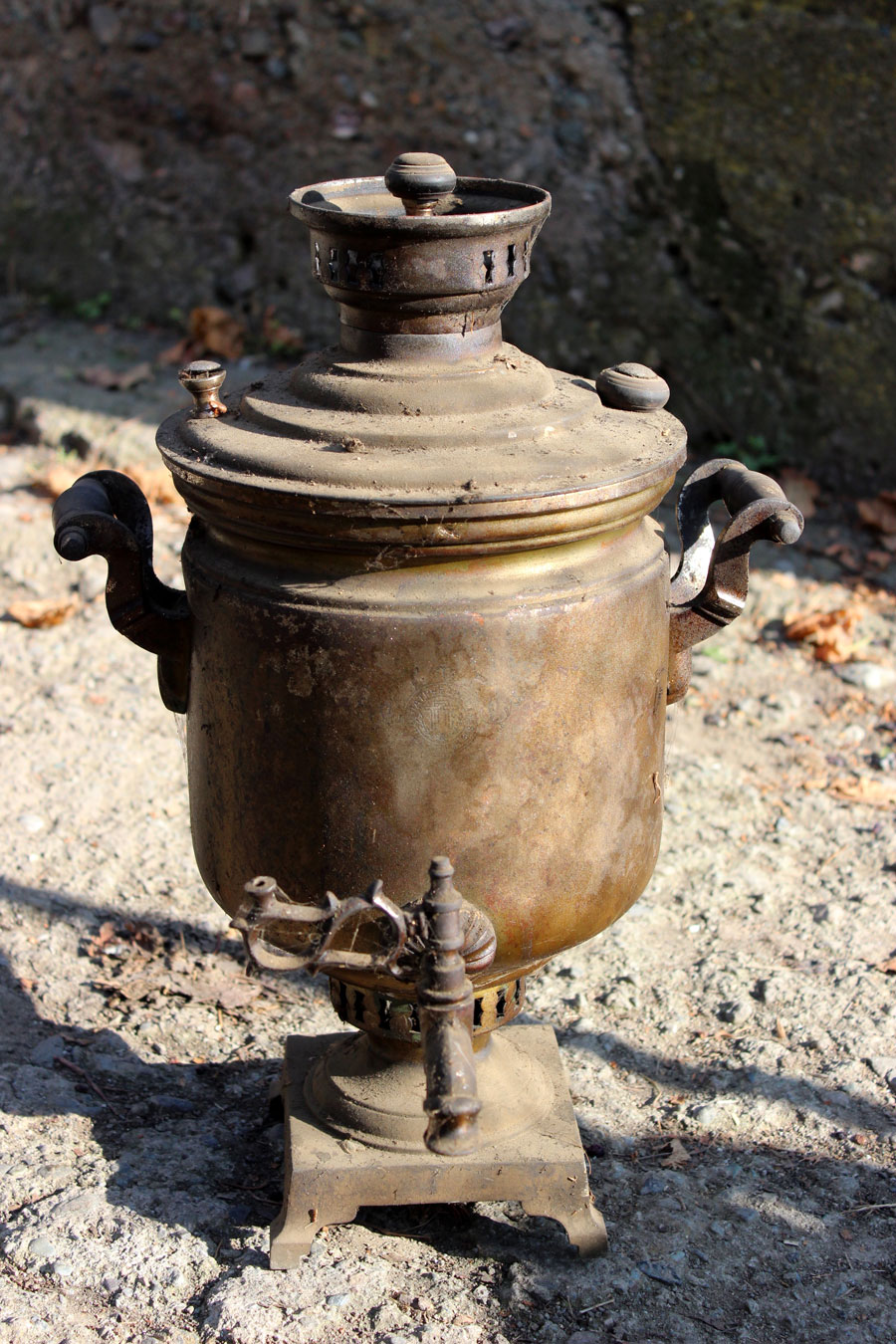
 After lunch we continued our journey but the searches were quite unsuccessful. One person has found this old samovar in his shed which actually didn’t have any value as was mass-produced in one of the factories in Russia around seventy years ago:
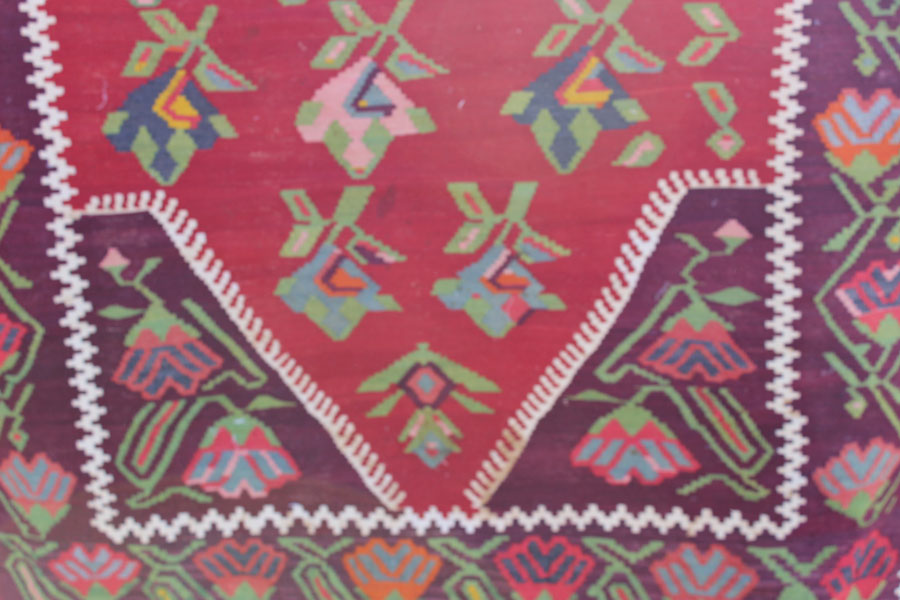
And then there were several kilims (which local people call “karpet”) and again they didn’t have any value as despite being hand-woven they were made using very primitive pattern, poor quality wool and ugly artificial dyes.
 We must say we were really disappointed! Then one of the locals told us that before us there were a lot of people coming to their villages and buying everything vintage. It must be said that Armenia had to go through very hard times: earthquake in Spitak, years of war and economic crisis, poverty and unemployment. People even if they had some valuable belongings inherited from their grand parents already sold everything. Now amazing antique Caucasian rugs are mostly in the private collections of wealthy people living all around the world. Still we are not losing the hope to find one. Someone has advised us to go to Karabakh region, which we plan to do as soon as the spring comes.